📑 Table of Contents
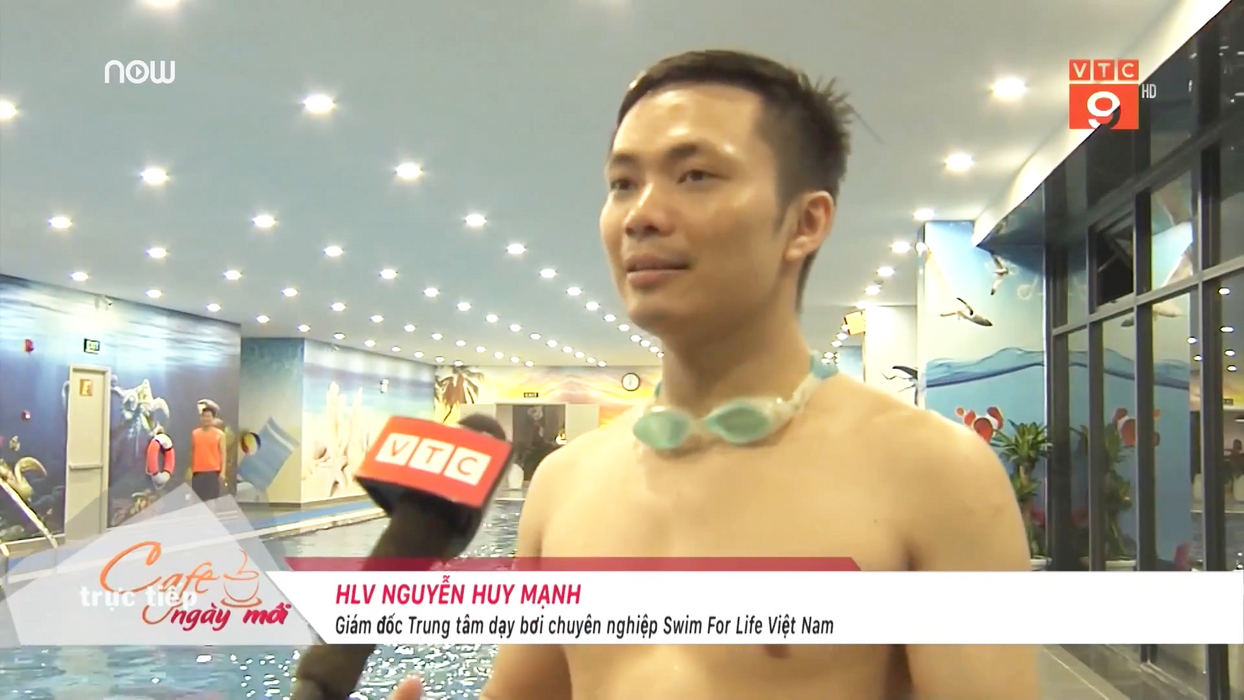
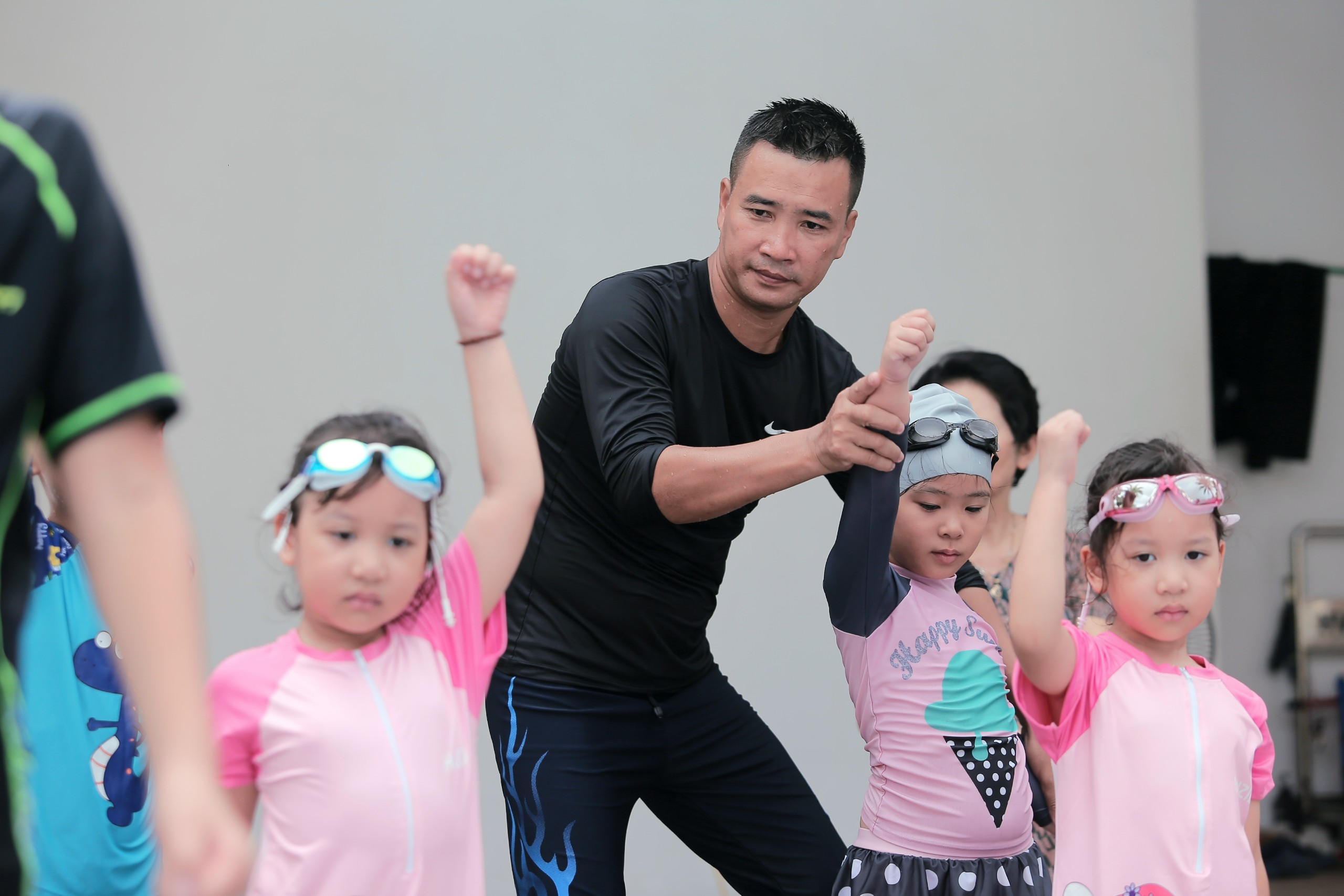
Children survival swimming is the process of equipping children with strict adult supervision rules and essential water safety skills to handle emergency situations when falling into the water. This is not just about learning how to swim as a sport; it is a vital, mandatory life skill. At Swim For Life, Head Coach Nguyen Huy Manh always emphasizes: "Knowing how to swim Butterfly or Freestyle is not enough. Children must first know how to rescue themselves, control their breathing, and float to survive before help arrives."
1. Overview of the Drowning Situation in Children
For many years, drowning accidents have remained the leading cause of accidental death among children in Vietnam and many developing countries. Despite extensive public safety campaigns, every summer brings tragic news of children losing their lives in rivers, lakes, pools, and beaches.
A very common misconception among parents is that drowning only occurs in remote rivers, lakes, or rough ocean shores. The reality is quite the opposite. Many accidents happen in shallow residential pools, water parks, or even in home bathtubs and water buckets. Drowning is a "silent killer". It does not look like the splashing and screaming depicted in movies. When a child chokes on water, their vocal cords spasm, preventing them from crying out. The entire process from falling in to complete submersion can take as little as 20 to 60 seconds.
Because drowning happens so fast and silently, water safety must be approached proactively. We cannot rely on luck. Instead, we must establish physical barriers, maintain constant visual supervision, and equip children with survival swimming skills. A young child who knows how to control their breathing, roll over, and float on their back has a dramatically higher chance of survival than a child who panics and thrashes.
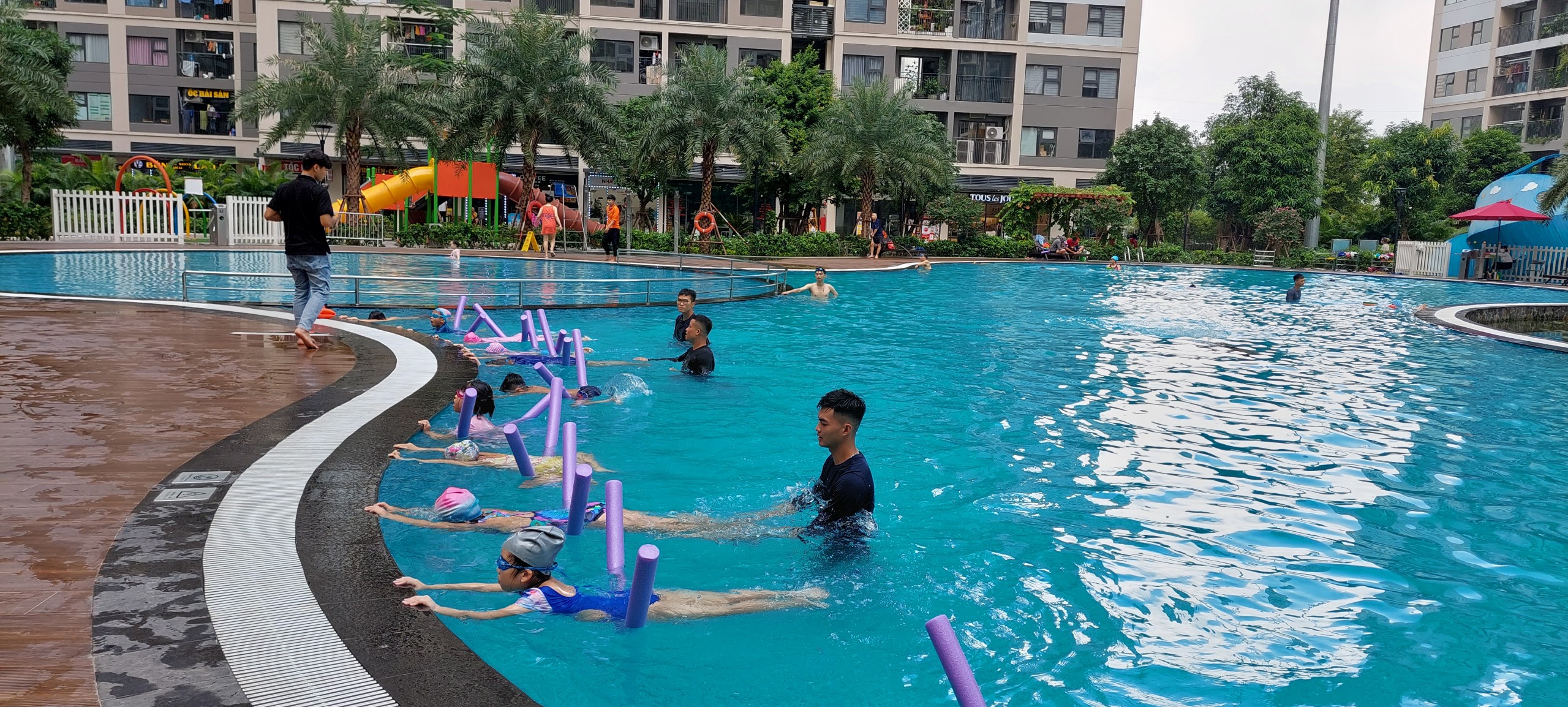
2. Root Causes of Drowning in Children
To prevent accidents, we must understand the root causes. Drowning is rarely caused by a single factor, but rather a combination of physical, environmental, and behavioral risks.
2.1. Lack of Constant Adult Supervision
This is the leading cause. Many parents assume that putting a life jacket on their child or sitting on the pool deck looking at their phone is enough. However, a child can slip out of a loose life jacket, or wander off. A distraction of just 1 minute is enough for a child to fall into the deep end and submerge. Proper supervision means keeping your eyes on the child at all times and staying within arm's reach.
2.2. Inability to Swim and Lack of Survival Skills
Many children have never been taught how to swim or float. Even children who take recreational swim classes often only learn basic dog paddle or simple strokes, but are never trained in survival drills like rolling to their back, treading water, or breathing under stress. When they fall into deep water unexpectedly, panic sets in and they sink.
2.3. Complacency Around Water Hazards
Many accidents happen because children play unsupervised near ponds, rivers, canals, or open water tanks. In rural areas, lack of fencing around water bodies is a major hazard. In cities, unprotected residential pools or open storm drains are equally dangerous.
3. Science and Psychology Behind Under-Water Panic
When a human suddenly falls into cold, deep water, the body triggers a "cold shock response," causing an involuntary gasp. If the head is underwater, water enters the lungs, causing immediate choking. This is followed by intense panic.
In a state of panic, the brain enters a primitive survival mode. The child will thrash their arms and legs vertically, trying to "climb" the water. This vertical thrashing actually drives the body downward and accelerates exhaustion. Carbon dioxide builds up rapidly, and within seconds, the child loses consciousness. Understanding this psychology is key: survival swimming training focuses on building automatic reflexes (like rolling onto the back and floating) to override this panic response.
4. Guide to 5 Vital Survival Swimming Skills for Kids
Every child should master these 5 core survival skills to protect themselves:
4.1. Breath Control (Blow Bubbles)
The child must learn to inhale through the mouth above water and exhale through the nose underwater. This prevents water from entering the nasal cavity and sinuses, which triggers choking and panic.
4.2. Roll Over and Back Float (Swim-Float-Swim)
If a child falls into deep water, they must automatically roll onto their back, lay their head back, extend their arms, and float. This allows them to breathe and rest indefinitely while calling for help. This is the single most important survival skill.
4.3. Water Treading
Treading water keeps the head vertical above the surface in deep water. It combines gentle figure-8 hand sculling with a scissor or eggbeater leg kick, allowing the child to look around, locate safety, and speak.
4.4. Streamlined Gliding and Pulling to the Edge
The child must know how to glide and swim to the nearest pool wall, steps, or shallow area. They should learn to open their eyes underwater to locate the exit clearly.
4.5. Safe Pool Exit
Children must learn how to pull themselves out of the pool without using a ladder (using the "elbow, elbow, tummy, knee" progression) in case they fall in away from steps.
5. Rescuing a Drowning Person and Medical First Aid
If you witness a drowning incident, follow these lifesaving rules:
5.1. The Safe Rescue Rule: Throw, Don't Go
Never jump in to save a drowning person if you are not a trained lifeguard. A panicking person will grab onto you with immense force, pulling you down. Instead, follow this order:
- Shout: Call for help and alert lifeguards.
- Reach: Extend a long branch, pool noodle, or rod for them to grab.
- Throw: Toss a life ring, life jacket, empty water jug, or rope.
- Row: Use a boat or paddleboard if available.
5.2. Medical First Aid (CPR)
Once the victim is pulled out of the water, check their consciousness and breathing. If they are not breathing, start CPR immediately:
- Place the victim on their back on a firm surface.
- Give 30 chest compressions (pressing down 2 inches at a rate of 100-120 beats/min).
- Provide 2 rescue breaths (mouth-to-mouth).
- Repeat this 30:2 cycle continuously until professional medical help arrives. Do not waste time trying to drain water from the stomach by carrying the victim upside down.
6. The Ultimate Role of Parents in Water Safety
No amount of swimming skills can replace the role of parents. Protect your children by practicing the **Water Watcher** system: designate a responsible adult to watch children in the water without distractions (no phone, no reading, no alcohol). In addition, ensure all home water hazards (buckets, bathtubs) are drained immediately after use, and restrict access to backyard pools with self-locking gates.
7. Essential Safety Equipment for Swimming
When going to public pools or beaches, ensure your child has the right safety gear. Use US Coast Guard-approved life jackets that fit securely. Avoid cheap inflatable arm floaties or swim rings as they can easily slip off or deflate, creating a false sense of security. Always equip children with proper anti-fog goggles so they can navigate underwater clearly.
8. Exclusive Survival Swim Syllabus at Swim For Life
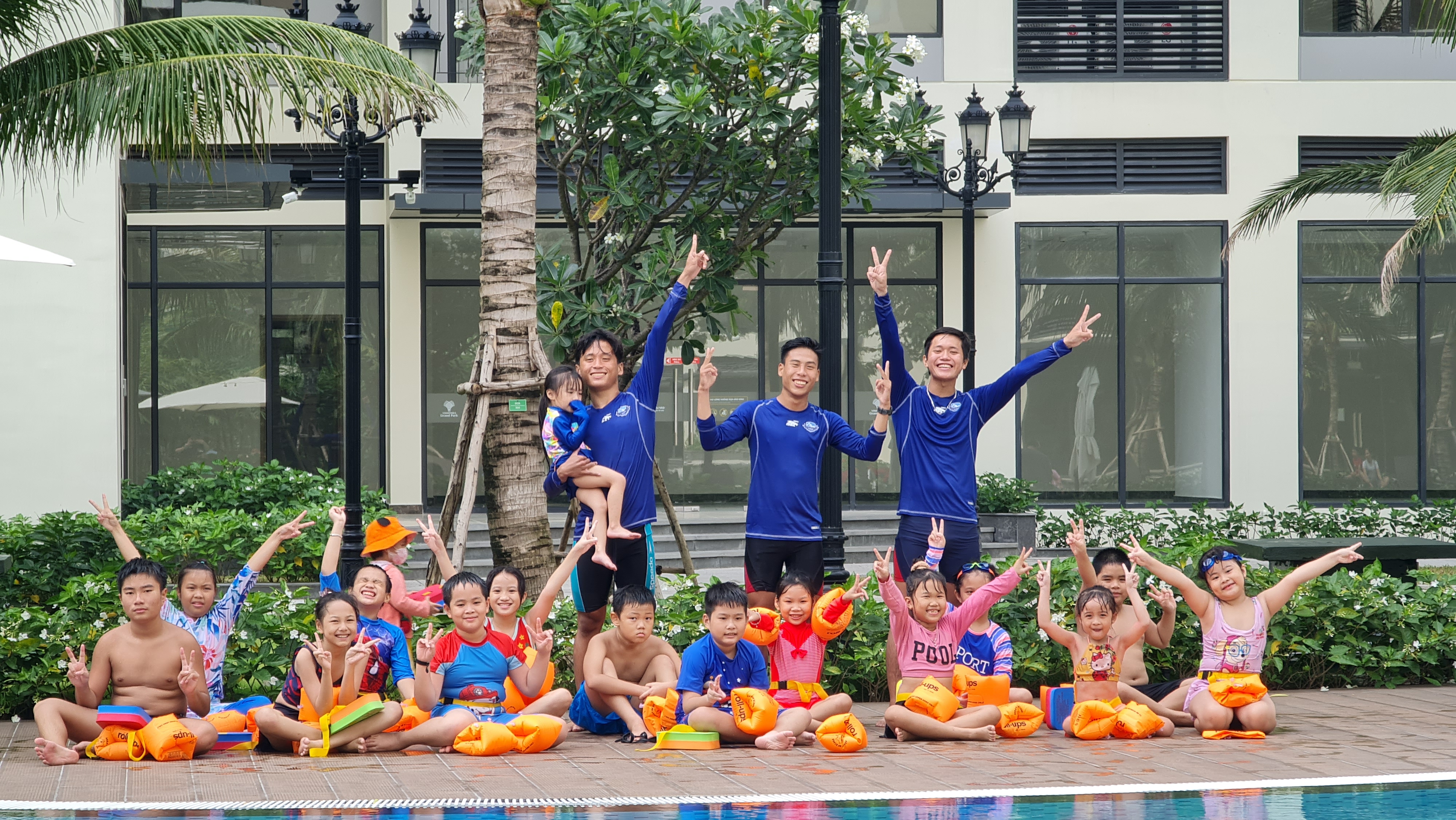
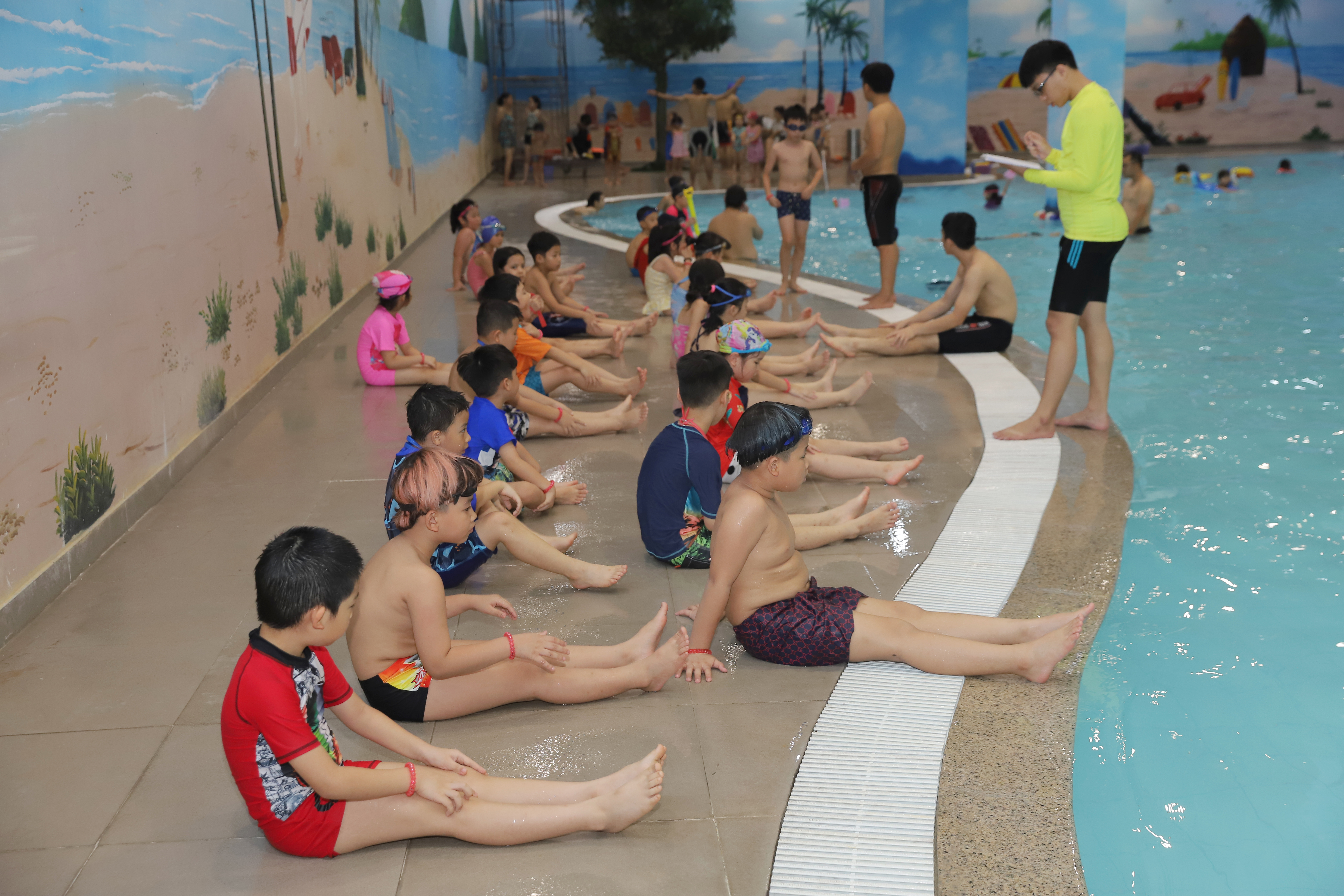
At Swim For Life Vietnam, our curriculum is designed with a safety-first approach. Before teaching competitive strokes like Breaststroke or Freestyle, our coaches ensure every child masters water survival skills. Our 12-session syllabus focuses on water familiarity, panic control under stress, back floating, treading water, and self-rescue techniques, giving parents complete peace of mind.
9. Frequently Asked Questions (FAQ) on Children Drowning
Q: Can babies learn survival floating?
A: Yes. Infantile survival swimming classes (Infant Swimming Resource) teach infants from 6 months old how to roll onto their backs and float. However, they must always be supervised by a parent or professional coach within arm's reach.
Q: Does wearing a life jacket mean my child is 100% safe?
A: No. A child can still slip, panic, or turn face-down in a poorly fitted life jacket. Constant visual supervision is always mandatory.